

TLDR: Riobamba combines indigenous market culture, colonial architecture, and unbeatable Andean day trips. The Saturday market is a must, as is a half-day walk through the historic center. Chimborazo Reserve at 6,263m is the standout day trip. Add the Maldonado Museum, the rebuilt train station, the Sunday fronton ball game, and excursions to Colta Lagoon, Guano leather workshops, and Alausi for a fuller week.
Plan your week so the Saturday market is your last full day in Riobamba. You will have already explored the city, learned what you want to bring home, and the market becomes a focused shopping and food experience rather than a chaotic first impression of Andean Ecuador.
This guide to things to do in riobamba a local’s guide comes from time spent in Riobamba’s central highlands, walking the markets, eating in local kitchens, and hosting visitors at Illari Hotel. The goal is practical detail with real prices in US dollars (Ecuador uses USD), walking times, altitude notes, and local context you can trust.
Saturday Market: The Cultural Heart Of Riobamba
The Riobamba Saturday market is one of the largest indigenous markets in highland Ecuador. Beginning before dawn and running until early afternoon, it spreads across multiple central streets and plazas, including the area around Plaza de la Concepcion. Indigenous Puruwa, Cacha, and Colta families come from villages across the province to sell produce, livestock, textiles, herbs, and prepared foods.
Walk through with no plan and absorb the experience. Pollera-skirted women in felt fedoras bargain over potatoes and quinoa. Wool ponchos and shawls sell for 15 to 40 USD. Hornado, fritada, and llapingachos cook in clay ovens and on griddles. Animals including llamas, sheep, and chickens trade in the southern animal-market section, which is more intense than most foreign visitors expect.
For shopping, the textile sections offer hand-loomed alpaca and sheep-wool ponchos, alpaca scarves, and traditional shigra bags woven from cabuya fiber. Bargaining is expected but should be respectful. Most prices have 20 to 30 percent give. Get to the market before 10 am for the best selection and to beat the heaviest crowds. By 1 pm the best stalls have sold out and many vendors begin packing.
Riobamba rooms book up fast on Saturday market weekends and during Chimborazo trekking season. If your dates are firm, lock them in now.
Check Illari Hotel RatesHistoric Center Walking Tour
Riobamba’s historic center is compact and rewarding for a half-day walk. Start at Plaza Maldonado, named for Pedro Vicente Maldonado (1704 to 1748), the Riobamba-born scientist and mathematician who collaborated with French Geodesic Mission. The Maldonado Museum on the plaza covers the city’s republican history and indigenous archaeology. Entry is 1 to 2 USD.
From Plaza Maldonado, walk three blocks east to the Cathedral of Riobamba, with its 19th-century stone facade and intricate altar. Continue to Plaza de la Concepcion and the Iglesia de la Concepcion, with its baroque interior and a small religious art collection. The streets between these plazas hold republican-era buildings, ironwork balconies, and small cafes for breaks.
Continue south to the rebuilt Riobamba train station, a beautifully restored cultural space with cafe, exhibits about the historic Quito-Guayaquil railway, and the still-visible narrow-gauge tracks. From the station, walk three blocks west to the Mercado La Merced for hornado lunch. The full historic-center loop takes 2 to 3 hours plus market and lunch stops.
“We packed five days at Illari with day trips and city walks and never felt rushed. Saturday market on the last day was perfect. The hotel staff helped us prioritize Chimborazo for the clearest morning and adjust our other plans around the weather.”
See More Reviews →Chimborazo And The Day-Trip Loop
Chimborazo Wildlife Reserve is the standout day trip from Riobamba. The mountain itself rises to 6,263 meters and is the highest peak in Ecuador. Because of the equatorial bulge of the Earth, the summit is the closest point on Earth’s surface to the sun. The reserve covers the lower slopes from about 4,000 meters upward and is home to vicunas, llamas, and Andean condors.
From Riobamba, drive 1.5 hours to the reserve gate, then continue to the first refuge at 4,800 meters. From there, a 45 to 60 minute walk takes you to the second refuge at 5,000 meters. The walk is short but feels much harder because of the altitude. Pack water, snacks, gloves, hat, sunblock, and a windproof jacket. Costs are 35 to 45 USD per person for a group tour or 80 to 110 USD half day for a private 4×4.
Other strong day trips from Riobamba include Colta Lagoon (30 minutes south), Guano leather workshops (15 minutes north), Alausi and the Devils Nose viewpoint (2 hours south), Banos de Agua Santa (1.5 hours east), and the Sicalpa or Cacha indigenous villages (20 to 40 minutes). Most of these are easy to combine into a 3 to 5 day Riobamba itinerary.
Cultural Stops, Museums, And Sunday Traditions
The Maldonado Museum (Museo Maldonado) is the city’s main cultural institution, covering archaeology, republican history, and Riobamba’s role in the founding of the Ecuadorian republic. Entry is 1 to 2 USD and the museum takes 1 to 2 hours.
The Convento de la Concepcion holds a religious art museum with colonial-era paintings and silver work. Entry is 2 USD and tours run on the hour. The Riobamba train station’s cultural space includes rotating exhibits on Andean history and the railway. The Casa de la Cultura on Avenida Daniel Leon Borja hosts occasional concerts, theater, and cinema.
Sunday in Riobamba has its own rhythm. Many residents take family lunches at hornado restaurants in Calpi or Cajabamba, 20 to 30 minutes from the city. The Sunday fronton ball game, a traditional Andean handball variant played on a walled court, draws crowds to courts in the city outskirts and is fascinating to watch. Ask at your hotel for the nearest court and current match times.
Beyond Riobamba: Multi-Day Extensions
If you have more than five days in the central highlands, Riobamba pairs naturally with extensions to Banos de Agua Santa (one or two nights for waterfalls, thermal baths, and adventure sports), Cuenca (a 5 to 6 hour bus south, one of Ecuador’s most beautiful colonial cities), and the eastern Amazon basin via Banos and Tena (8 to 10 hours from Riobamba).
Northbound options include Latacunga, Cotopaxi National Park, and the Quilotoa lake hike. Cotopaxi at 5,897 meters is Ecuador’s second-highest peak and offers easier high-altitude trekking than Chimborazo. Quilotoa is a stunning crater lake that can be hiked around in 4 to 5 hours. The Quito to Riobamba bus passes through Latacunga and most travelers add a day or two on the way to or from the highlands.
For a full Andean experience, plan a 10 to 14 day route from Quito through Otavalo (indigenous market town), Cotopaxi, Banos, Riobamba, and Cuenca, ending at the southern border or returning to Quito for an Amazon or Galapagos extension. Riobamba sits in the geographic and cultural heart of this loop.
For more Riobamba planning, see our guides on more on day trips from town, where to base yourself for the city, where to eat between attractions.
Official background on Ecuador travel basics is available from Ecuador tourism board.
Illari Hotel Photos
Disclosure: booking links on this page are affiliate links.
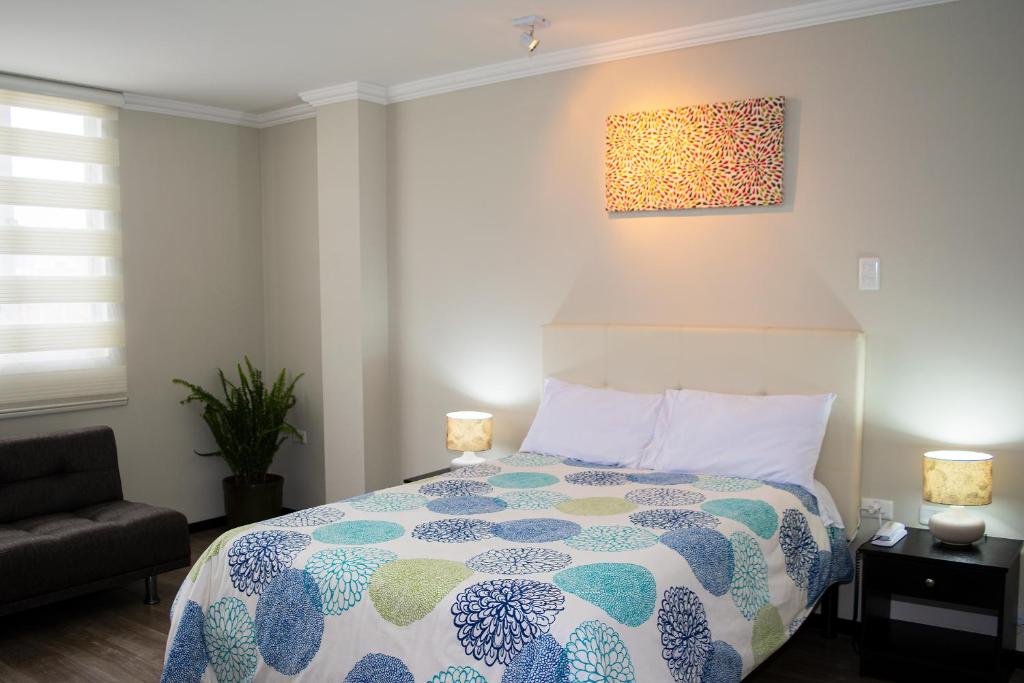
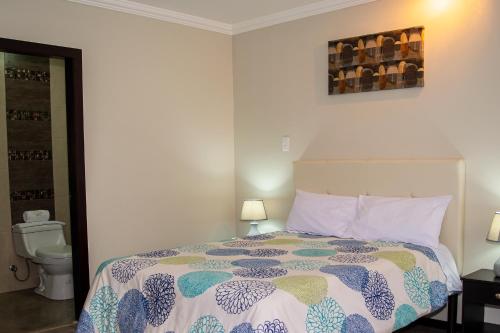
Plan Your Riobamba Stay
See live rates and availability at Illari Hotel, a comfortable base in central Riobamba within easy reach of the Saturday market, the train station, and Chimborazo day trips.
Disclosure: booking links on this page are affiliate links.
Check Illari HotelFrequently Asked Questions
What is the must-do in Riobamba?
The Saturday market and a Chimborazo Reserve day trip. The market is the cultural heart of the city and one of the best indigenous markets in highland Ecuador. Chimborazo at 6,263m is the highest peak in Ecuador and the standout natural attraction of the central highlands.
How many days do I need in Riobamba?
Three to five days covers the city and the main day trips. Day one for the historic center and arrival acclimatization. Day two for Chimborazo. Day three for Colta Lagoon and Guano. Day four for Banos or Alausi. Day five for the Saturday market.
Is Chimborazo safe to visit?
Yes for the wildlife reserve and the walks up to the second refuge at 5,000 meters. Climbing to the actual summit at 6,263 meters requires a certified high-altitude guide and prior glacier experience. Most visitors stop at the second refuge and find it plenty rewarding.
Can I see the Devils Nose train?
The Devils Nose train (Nariz del Diablo) service has been suspended at various points in recent years and depends on current operator status. The viewpoint and Alausi town are still worth visiting independently. Check Ferrocarriles del Ecuador for current train operations before planning a trip around it.
What should I bring home from Riobamba?
A hand-loomed alpaca poncho or shawl from the Saturday market (15 to 40 USD), a leather jacket or rug from a Guano workshop (40 to 120 USD), and a bag of mountain quinoa or amaranto. The textiles and leather are far less expensive in Riobamba than in Quito or Cuenca.